



Natural, Synthetic, and Regenerated
Textile fibers are the foundation of everything we wear and use in fabrics— from everyday T-shirts to luxury suits, home furnishings, and technical textiles. Understanding different types of fibers is essential for anyone involved in textiles, fashion, sourcing, or manufacturing. This guide offers a complete yet simple explanation of natural, synthetic, and regenerated textile fibers, their properties, advantages, limitations, and common end uses.
What Is a Textile Fiber?
A textile fiber is a fine, hair-like material that can be spun into yarn and then woven or knitted into fabric. To be suitable for textile use, a fiber must have:
- Sufficient length
- Adequate strength
- Flexibility
- Durability
Based on origin and manufacturing process, textile fibers are broadly classified into three major categories:
- Natural fibers
- Synthetic fibers
- Regenerated (semi-synthetic) fibers
1. Natural Fibers
Natural fibers are obtained directly from plants, animals, or minerals. They have been used for thousands of years and are valued for comfort, breathability, and sustainability.
1.1 Plant Fibers
Plant fibers are cellulose-based and come from different parts of plants.
Cotton
Cotton is the most widely used natural fiber in the world.
Key properties:
- Soft and breathable
- Excellent moisture absorption
- Comfortable for hot climates
- Easy to dye
Limitations:
- Wrinkles easily
- Shrinks if not treated
- Moderate strength
End uses:
- T-shirts, shirts, denim
- Underwear
- Bed sheets and towels
Flax (Linen)
Flax fibers are extracted from the stem of the flax plant.
Key properties:
- Very strong and durable
- High absorbency
- Naturally cool and crisp feel
Limitations:
- Wrinkles easily
- Stiffer than cotton
End uses:
- Summer garments
- Table linens
- Curtains and upholstery
1.2 Animal Fibers
Animal fibers are protein-based and obtained from hair, wool, or secretions of animals.
Wool
Wool comes mainly from sheep hair.
Key properties:
- Excellent thermal insulation
- Natural elasticity
- Good moisture management
- Wrinkle resistant
Limitations:
- Can feel itchy
- Requires special care
End uses:
- Sweaters, suits
- Blankets
- Carpets
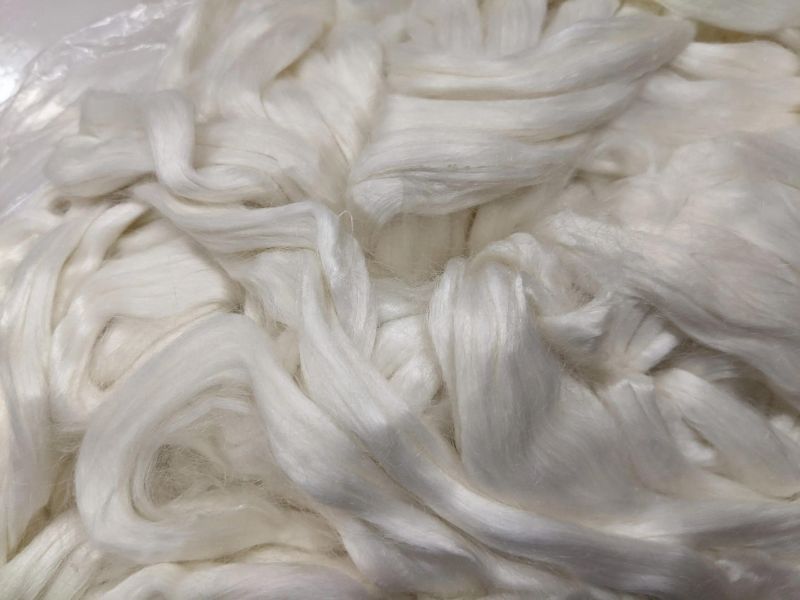
Silk
Silk is obtained from silkworm cocoons.
Key properties:
- Smooth and lustrous
- High strength despite fine structure
- Excellent drape
Limitations:
- Expensive
- Sensitive to sunlight and moisture
End uses:
- Luxury garments
- Sarees and scarves
- Ties and lingerie
2. Synthetic Fibers
Synthetic fibers are man-made fibers produced from petrochemicals through chemical processes. These fibers are engineered for performance, durability, and cost efficiency.
2.1 Polyester
Polyester is the most widely used synthetic fiber globally.
Key properties:
- High strength and durability
- Wrinkle and shrink resistant
- Quick drying
- Easy maintenance
Limitations:
- Low breathability
- Can retain odors
End uses:
- Sportswear
- Blended fabrics
- Home textiles
- Industrial fabrics
2.2 Nylon
Nylon was the first fully synthetic fiber.
Key properties:
- Very high strength
- Excellent abrasion resistance
- Lightweight and elastic
Limitations:
- Sensitive to heat
- Static electricity buildup
End uses:
- Hosiery
- Activewear
- Ropes and fishing nets
- Parachutes
2.3 Acrylic
Acrylic is often used as a wool substitute.
Key properties:
- Lightweight and soft
- Good warmth retention
- Resistant to moths and chemicals
Limitations:
- Low moisture absorption
- Can pill easily
End uses:
- Sweaters
- Blankets
- Carpets
3. Regenerated (Semi-Synthetic) Fibers
Regenerated fibers are made from natural polymers (mainly cellulose) that are chemically processed and re-formed into fibers. They combine the comfort of natural fibers with the consistency of man-made fibers.
3.1 Viscose (Rayon)
Viscose is derived from wood pulp.
Key properties:
- Soft and smooth feel
- High absorbency
- Good drape
Limitations:
- Low wet strength
- Requires careful handling
End uses:
- Dresses and blouses
- Lining fabrics
- Home furnishings
3.2 Modal
Modal is a modified form of viscose.
Key properties:
- Softer than cotton
- High moisture absorption
- Good dimensional stability
End uses:
- Underwear
- Loungewear
- Bed sheets
3.3 Lyocell (Tencel™)
Lyocell is an eco-friendly regenerated fiber.
Key properties:
- High strength (even when wet)
- Excellent breathability
- Biodegradable
End uses:
- Sustainable fashion
- Activewear
- Denim blends
Blended Fibers: Combining the Best of Both Worlds
Blended fibers are made by mixing two or more types of fibers to enhance fabric performance.
Common blends include:
- Cotton/Polyester – comfort + durability
- Wool/Acrylic – warmth + cost efficiency
- Viscose/Polyester – softness + strength
Advantages of blends:
- Improved fabric performance
- Reduced cost
- Better durability and care properties
Comparison Summary
| Fiber Type | Comfort | Durability | Sustainability | Cost |
|---|---|---|---|---|
| Natural | High | Medium | High | Medium–High |
| Synthetic | Medium | Very High | Low | Low |
| Regenerated | High | Medium | Medium–High | Medium |
Choosing the Right Fiber
The selection of fiber depends on several factors:
- End use of the fabric
- Climate and comfort needs
- Budget considerations
- Sustainability goals
For example:
- Cotton and viscose are ideal for summer wear
- Wool and acrylic are suitable for winter clothing
- Polyester and nylon are best for sports and technical applications
Conclusion
Textile fibers play a crucial role in determining the performance, comfort, and sustainability of fabrics. Natural fibers offer comfort and breathability, synthetic fibers provide durability and cost efficiency, while regenerated fibers bridge the gap between nature and technology.
In today’s textile industry, no single fiber is perfect. The future lies in smart blending, innovation, and sustainable fiber development. Whether you are a student, sourcing professional, or textile enthusiast, understanding fibers is the first step toward making better fabric and product decisions.


https://shorturl.fm/WoijY
https://shorturl.fm/t83Fm