

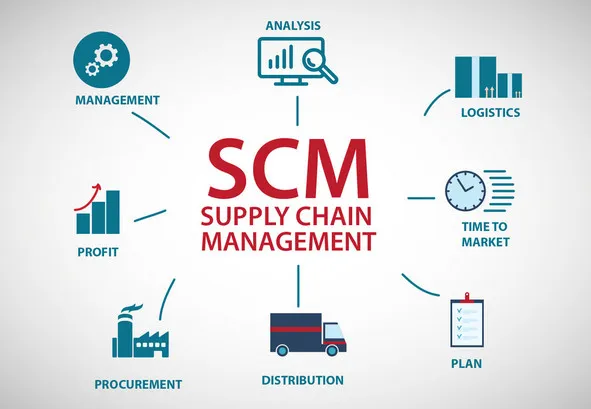
The textile industry is one of the oldest and most dynamic sectors in the world. From raw fiber procurement to finished garment production, the textile supply chain is complex and global. However, this complexity brings with it numerous challenges that can impact efficiency, cost, and sustainability. For businesses operating in this sector, understanding these challenges and implementing effective strategies to overcome them is crucial for success.
In this blog, we will explore the key challenges in textile supply chain management and provide actionable insights on how to tackle them.
1. Raw Material Sourcing Challenges
The Problem
Textile production starts with raw materials like cotton, wool, silk, polyester, and other fibers. Sourcing high-quality raw materials consistently is often a major hurdle. Factors such as fluctuating prices, seasonal availability, and geopolitical issues can disrupt the supply chain. Additionally, the rise of sustainable and organic fibers has increased demand for responsibly sourced materials, adding another layer of complexity.
The Solution
- Diversify Suppliers: Avoid relying on a single supplier or region. Diversification reduces the risk of supply disruption.
- Forecasting and Planning: Use predictive analytics to anticipate demand and source materials in advance.
- Supplier Audits and Relationships: Regularly audit suppliers for quality, reliability, and compliance. Build strong relationships to secure priority access to materials.
- Sustainable Sourcing: Partner with certified suppliers (e.g., GOTS for organic cotton) to ensure sustainability and traceability.
2. Inventory Management Issues
The Problem
Textile companies often struggle with inventory management due to the sheer variety of products, colors, sizes, and fabrics. Overstocking ties up capital and increases storage costs, while understocking leads to missed sales and dissatisfied customers. Seasonal demand fluctuations, fast fashion trends, and lead time variations make inventory management even more challenging.
The Solution
- Implement Inventory Management Systems: ERP (Enterprise Resource Planning) and inventory management software can track stock levels in real-time.
- Adopt Just-in-Time (JIT) Practices: JIT reduces excess inventory by aligning production with actual demand.
- Analyze Historical Data: Understanding past sales patterns helps forecast future inventory needs.
- Categorize Inventory: Use ABC analysis to prioritize inventory management efforts on high-value or high-demand products.
3. Production and Manufacturing Bottlenecks
The Problem
Textile manufacturing involves multiple processes, including spinning, weaving/knitting, dyeing, finishing, and garmenting. Delays in any step can cause bottlenecks that ripple through the supply chain. Factors such as machine breakdowns, labor shortages, and inefficient workflows can affect production timelines and increase operational costs.
The Solution
- Lean Manufacturing: Implement lean principles to eliminate waste, streamline production, and optimize resource utilization.
- Predictive Maintenance: Use IoT-enabled devices and sensors to anticipate machine failures before they occur.
- Workforce Training: Regularly train employees to improve productivity and reduce errors.
- Flexible Production Scheduling: Develop contingency plans for sudden demand changes or operational disruptions.
4. Logistics and Transportation Challenges
The Problem
Textile supply chains are global, making logistics and transportation a significant challenge. Delays in shipping raw materials or finished goods can affect delivery schedules and customer satisfaction. Rising fuel costs, port congestion, customs clearance delays, and transportation inefficiencies are common issues.
The Solution
- Choose Reliable Logistics Partners: Partner with experienced freight forwarders who understand international textile shipping.
- Track Shipments in Real-Time: GPS and RFID tracking help monitor goods in transit and quickly address issues.
- Optimize Transportation Routes: Use route optimization software to reduce transit times and costs.
- Consider Multiple Transportation Modes: Air, sea, rail, and road can be combined strategically for cost and speed efficiency.
5. Quality Control and Compliance
The Problem
Maintaining consistent quality across different production batches and suppliers is a challenge. Textiles must meet strict standards for color, texture, durability, and safety. Non-compliance with regulations (e.g., chemical restrictions or labor laws) can damage brand reputation and result in legal penalties.
The Solution
- Standardized Quality Checks: Implement quality control measures at each stage of production.
- Third-Party Testing: Use accredited labs to verify compliance with industry standards.
- Supplier Certification: Ensure suppliers meet global certifications such as ISO, OEKO-TEX, or SA8000.
- Continuous Improvement: Adopt Total Quality Management (TQM) principles to continually enhance quality.
6. Demand Volatility and Market Trends
The Problem
Fashion trends change rapidly, making it difficult to predict demand. Retailers and manufacturers face risks of overproduction, markdowns, or stockouts. This volatility is intensified by global economic factors and sudden shifts in consumer behavior.
The Solution
- Agile Supply Chains: Implement flexible production systems that can respond quickly to changing demand.
- Demand Sensing Technologies: Use AI and analytics to predict short-term demand fluctuations.
- Collaborate with Retailers: Share data with downstream partners to synchronize supply and demand.
- Adopt a Product Lifecycle Approach: Align production with product lifecycles to reduce obsolescence.
7. Sustainability and Environmental Concerns
The Problem
Environmental sustainability is increasingly a priority for consumers, brands, and regulators. Textile supply chains often involve high water usage, chemical treatments, and energy consumption. Failure to adopt sustainable practices can result in regulatory penalties and reputational damage.
The Solution
- Eco-Friendly Materials: Use organic, recycled, or biodegradable fibers.
- Water and Energy Management: Implement technologies for water recycling, energy efficiency, and waste reduction.
- Sustainable Logistics: Opt for energy-efficient transportation and minimize carbon footprint.
- Transparency and Reporting: Maintain sustainability reports and communicate eco-friendly practices to stakeholders.
8. Technological Integration Challenges
The Problem
Many textile companies rely on outdated systems or fragmented software solutions. Lack of integration between suppliers, manufacturers, and retailers can result in miscommunication, data errors, and inefficiency. Digital transformation can be daunting but is essential for modern supply chain management.
The Solution
- Adopt ERP Systems: Integrate procurement, production, inventory, and sales systems into one platform.
- Invest in Supply Chain Visibility Tools: Cloud-based platforms offer real-time tracking of materials and products.
- Use Automation: Automate repetitive tasks like order processing and stock updates to reduce errors.
- Train Workforce for Technology Adoption: Ensure employees are skilled in using new systems and digital tools.
9. Risk Management and Supply Chain Disruptions
The Problem
Natural disasters, political instability, pandemics, and global crises can disrupt textile supply chains. These events can halt production, delay shipments, and affect financial performance.
The Solution
- Develop Risk Management Plans: Identify potential risks and establish mitigation strategies.
- Build Buffer Stocks: Maintain safety stock for critical raw materials.
- Diversify Suppliers and Production Locations: Avoid dependence on a single region or supplier.
- Monitor Global Trends: Stay updated on geopolitical, economic, and environmental events to proactively respond.
10. Human Resource Challenges
The Problem
Labor is a critical element in the textile industry. Shortages of skilled workers, high turnover rates, and compliance with labor laws pose challenges to supply chain efficiency. Additionally, workforce safety and satisfaction impact productivity and brand reputation.
The Solution
- Employee Training and Development: Invest in skill development programs to improve performance.
- Fair Wages and Working Conditions: Ensure compliance with labor regulations and promote ethical practices.
- Use Technology to Reduce Labor Dependency: Automation in spinning, weaving, and finishing can reduce manual labor bottlenecks.
- Employee Engagement Programs: Create a positive work environment to retain talent and reduce turnover.
Conclusion
Textile supply chain management is a complex endeavor influenced by multiple variables, from raw material sourcing to final delivery. While challenges are inevitable, proactive planning, technology adoption, and strategic partnerships can help businesses overcome these hurdles.
By addressing issues such as inventory management, production bottlenecks, logistics, quality control, sustainability, and workforce management, textile companies can build resilient and efficient supply chains. In today’s competitive market, supply chain excellence not only reduces costs and delays but also enhances customer satisfaction and brand reputation.
Ultimately, the companies that anticipate challenges, embrace innovation, and foster collaboration across the supply chain will thrive in the dynamic world of textiles.