




The textile industry is one of the oldest and most diverse industries in the world, touching almost every aspect of modern life—from the clothes we wear to the materials used in automobiles, construction, healthcare, and aerospace. While most people associate textiles with fashion and home décor, industrial textiles play a far bigger role behind the scenes.
Understanding different types of textile fabrics and their industrial applications is essential for manufacturers, sourcing professionals, designers, and business owners. Each fabric type offers unique properties such as strength, flexibility, durability, chemical resistance, or thermal insulation, making it suitable for specific industries.
In this article, we will explore the major types of textile fabrics and how they are used across various industrial sectors.
1. Natural Fiber Fabrics
Natural fibers are derived from plants, animals, or minerals. They are biodegradable, breathable, and widely used in both consumer and industrial applications.
Cotton Fabrics
Cotton is the most widely used natural fiber due to its softness, breathability, and versatility.
Industrial Applications:
- Workwear and uniforms
- Medical textiles (bandages, gauze)
- Industrial wipes and cleaning cloths
- Protective clothing for light-duty industries
Cotton’s high absorbency and comfort make it ideal for environments where skin contact and hygiene are critical.
Wool Fabrics
Wool is obtained from animal hair, mainly sheep, and is known for its insulation and moisture-regulating properties.
Industrial Applications:
- Fire-resistant clothing
- Thermal insulation materials
- Industrial blankets
- Protective garments for cold environments
Wool’s natural flame resistance makes it valuable in safety-focused industries.
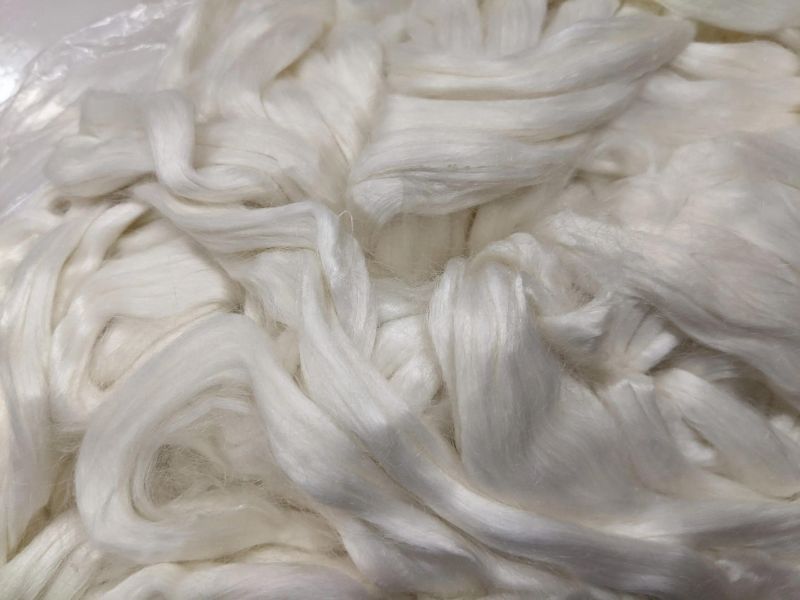
Silk Fabrics
Silk is a luxury fiber produced from silkworm cocoons, offering strength, smoothness, and a natural sheen.
Industrial Applications:
- Medical sutures
- High-performance filters
- Specialty technical textiles
Although limited due to cost, silk’s biocompatibility gives it a niche role in medical and technical fields.
Linen (Flax) Fabrics
Linen is made from flax fibers and is valued for its strength and cooling properties.
Industrial Applications:
- Industrial packaging fabrics
- Canvas and heavy-duty coverings
- Upholstery and furnishing textiles
Its durability and resistance to wear make it suitable for industrial-grade applications.
2. Synthetic Fiber Fabrics
Synthetic fibers are man-made and engineered for high performance, durability, and cost efficiency.
Polyester Fabrics
Polyester is the most widely used synthetic fiber globally.
Industrial Applications:
- Conveyor belts
- Industrial sewing threads
- Automotive seat covers
- Filter fabrics
- Packaging textiles
Polyester offers excellent strength, wrinkle resistance, and chemical stability, making it ideal for heavy-duty use.
Nylon (Polyamide) Fabrics
Nylon is known for its exceptional strength and abrasion resistance.
Industrial Applications:
- Ropes and nets
- Tire cords
- Safety harnesses
- Industrial hoses
- Parachutes
Its high tensile strength makes nylon a top choice for load-bearing and safety applications.
Acrylic Fabrics
Acrylic fibers are lightweight, soft, and weather-resistant.
Industrial Applications:
- Outdoor awnings
- Artificial turf
- Insulation materials
- Protective covers
Acrylic’s resistance to sunlight and moisture makes it ideal for outdoor industrial use.
Polypropylene Fabrics
Polypropylene is a lightweight and chemically resistant fiber.
Industrial Applications:
- Geotextiles
- Nonwoven fabrics
- Packaging sacks
- Automotive interior textiles
- Medical disposables
Its low cost and resistance to chemicals make it widely used in industrial nonwoven applications.
3. Regenerated Fiber Fabrics
Regenerated fibers are made from natural polymers that are chemically processed.
Viscose / Rayon Fabrics
Viscose is derived from cellulose and offers a silk-like feel.
Industrial Applications:
- Medical hygiene products
- Industrial wipes
- Lining fabrics
- Nonwoven textiles
Its absorbency and softness make it suitable for disposable and hygiene-based industrial products.
Modal and Lyocell (Tencel)
These advanced regenerated fibers offer better strength and sustainability.
Industrial Applications:
- Medical textiles
- Eco-friendly industrial fabrics
- High-performance nonwovens
They are increasingly used in sustainable textile manufacturing.
4. Blended Fabrics
Blended fabrics combine two or more fibers to enhance performance and reduce cost.
Cotton-Polyester Blends
This blend balances comfort and durability.
Industrial Applications:
- Workwear
- Uniforms
- Hospital garments
- Hotel and institutional textiles
It offers easy maintenance, longer life, and reduced shrinkage.
Wool-Polyester Blends
These blends improve strength while retaining thermal properties.
Industrial Applications:
- Protective clothing
- Industrial uniforms
- Upholstery fabrics
5. Nonwoven Fabrics
Nonwoven textiles are made without weaving or knitting, using bonding techniques.
Industrial Applications:
- Medical masks and gowns
- Geotextiles for road construction
- Filtration materials
- Hygiene products (diapers, wipes)
- Automotive insulation
Nonwovens are cost-effective and ideal for disposable or technical uses.
6. Technical and Industrial Fabrics
Technical textiles are engineered for specific functional properties rather than aesthetics.
Geotextiles
Used in civil engineering projects.
Applications:
- Road construction
- Soil stabilization
- Drainage systems
- Erosion control
Protective Textiles
Designed for safety and hazard resistance.
Applications:
- Firefighter suits
- Chemical-resistant clothing
- Bulletproof vests
- Heat-resistant gloves
Automotive Textiles
Used extensively in vehicle manufacturing.
Applications:
- Seat upholstery
- Airbags
- Seat belts
- Sound insulation materials
Medical Textiles
Focused on healthcare and hygiene.
Applications:
- Surgical gowns
- Bandages
- Implantable fabrics
- Hospital bedding
7. Smart and Advanced Textile Fabrics
Modern industries are now adopting smart textiles that integrate technology.
Industrial Applications:
- Wearable sensors
- Temperature-regulating fabrics
- Conductive textiles
- Military and defense applications
These fabrics improve efficiency, safety, and performance in high-tech industries.
Conclusion
Textile fabrics are no longer limited to fashion and home furnishings. From construction and healthcare to automotive and aerospace industries, textiles play a critical role in modern industrial development. Each type of fabric—natural, synthetic, blended, or technical—offers unique characteristics that meet specific industrial demands.
As industries continue to evolve, the demand for high-performance, sustainable, and innovative textile fabrics will only grow. Understanding fabric types and their applications helps manufacturers, buyers, and professionals make informed decisions, reduce costs, and improve product performance.
Whether you are sourcing materials, building a textile brand, or expanding into industrial textiles, knowing the right fabric for the right application is the key to long-term success.


https://shorturl.fm/IIUgv
https://shorturl.fm/gBJqy